
The Allure of Chance and Risk
The thrill of gambling often stems from the inherent allure of chance and the risk associated with it. This duality captivates players, drawing them into an environment where uncertainty can lead to significant rewards or substantial losses. Casinos exploit this fascination with risk by creating a vibrant atmosphere filled with excitement and anticipation. The colorful lights, the sounds of spinning reels, and the clinking of chips all contribute to an immersive experience that heightens the stakes and fuels the desire to play, especially for those seeking options like casino fast withdrawal uk that can enhance their overall enjoyment.
The psychology of risk-taking is closely linked to the concept of loss aversion, where individuals tend to prefer avoiding losses over acquiring equivalent gains. In a casino setting, players may feel compelled to continue betting, driven by the fear of losing their initial stake. This creates a cycle where the thrill of the gamble overshadows rational decision-making. As players chase their losses, they often become entrapped in a psychological spiral that keeps them returning for more, hoping to recoup their financial setbacks. This behavior is not just a reflection of poor decision-making; it is a profound psychological phenomenon influenced by emotional responses and cognitive biases.
Moreover, the potential for large rewards amplifies the psychological engagement associated with gambling. Research shows that intermittent reinforcement—where rewards are given out unpredictably—can significantly increase compulsive behaviors. In casinos, the sporadic bursts of winning create a sense of unpredictability, making it challenging for players to walk away. This intoxicating mix of hope and despair is what keeps individuals at the tables, fostering an environment where rational thought often takes a backseat to emotional impulses. Ultimately, the allure of gambling lies in its unpredictable nature, captivating players in a world where anything is possible.
The Role of Environment and Design
The physical environment of a casino is meticulously designed to enhance the psychological experience of gambling. From the layout of gaming tables to the sounds and smells present, every element is engineered to keep players engaged for extended periods. Casinos frequently employ a maze-like structure to prevent players from easily finding their way out. This physical disorientation can lead to an unconscious desire to continue gambling, as the escape routes are less apparent, and the next game seems just a few steps away. The design encourages a sense of immersion that can make players lose track of time and their surroundings.
Lighting also plays a crucial role in shaping the gambling experience. Bright, flashing lights can foster a sense of excitement, while dimmer, cozier lighting may create an intimate atmosphere for high-stakes players. Additionally, casinos often use ambient sounds, such as slot machine chimes and celebratory music, to enhance the positive emotions linked with winning. These sensory experiences work together to create an environment that feels rewarding and pleasurable, further rooting players into the gambling experience. The sounds of joy and celebration reinforce positive associations with gambling, enticing players to continue their play.

Social influences are equally significant in this context. Interactions with other players can amplify emotions, with shared excitement or disappointment affecting individual decisions. This social component is often magnified through the design of gaming areas, which encourage camaraderie among gamblers. The presence of others engaging in similar risk-taking behaviors can reinforce an individual’s gambling tendencies, making it a communal experience rather than a solitary pursuit. By understanding how these environmental factors intertwine with psychology, casinos can effectively keep players engaged and enhance their overall experience.
The Impact of Cognitive Biases
Cognitive biases significantly influence gambling behaviors. One common bias is the illusion of control, where individuals believe they can influence the outcome of random events. This belief can lead to overconfidence, causing players to make irrational decisions based on their perceived abilities. For example, a gambler might believe they have a “lucky” strategy, even in games that are entirely a matter of chance, such as slot machines or roulette. This mindset encourages further play, distracting players from the reality of the odds and often resulting in continued financial losses.
Another prevalent cognitive distortion is the gambler’s fallacy, where players mistakenly believe that past outcomes will influence future results. This belief can lead individuals to continue gambling based on a series of losses, expecting that a win is “due.” Such thinking ignores the independent nature of each gaming round, often causing players to invest more time and money in hopes of an eventual win. This fallacy highlights the critical intersection between cognitive psychology and gambling, illuminating how irrational thought processes can lead to persistent gambling behaviors, even in the face of evidence to the contrary.
Additionally, the framing effect can alter how players perceive their chances of winning based on how information is presented. For instance, showcasing the potential for a large jackpot can make a game appear more enticing, even if the actual odds of winning remain the same. This manipulation of perception can entice players to engage more deeply with the game, often resulting in higher stakes than they might otherwise contemplate. Understanding these cognitive biases helps demystify why individuals continue to gamble, even when the odds are often against them, revealing the complexities of human decision-making in high-stakes environments.
The Emotional Rollercoaster of Winning and Losing
The emotional volatility associated with gambling is a significant aspect of its psychological impact. Winning often triggers a release of dopamine in the brain, creating feelings of pleasure and euphoria. This biochemical response reinforces the behavior, encouraging players to chase that initial high repeatedly. Conversely, losses evoke feelings of disappointment and frustration, which can lead to a desperate need to recalibrate emotions through further gambling. This emotional rollercoaster can make gambling an addictive pursuit, as players seek to replicate the highs while attempting to escape the lows of their losses.
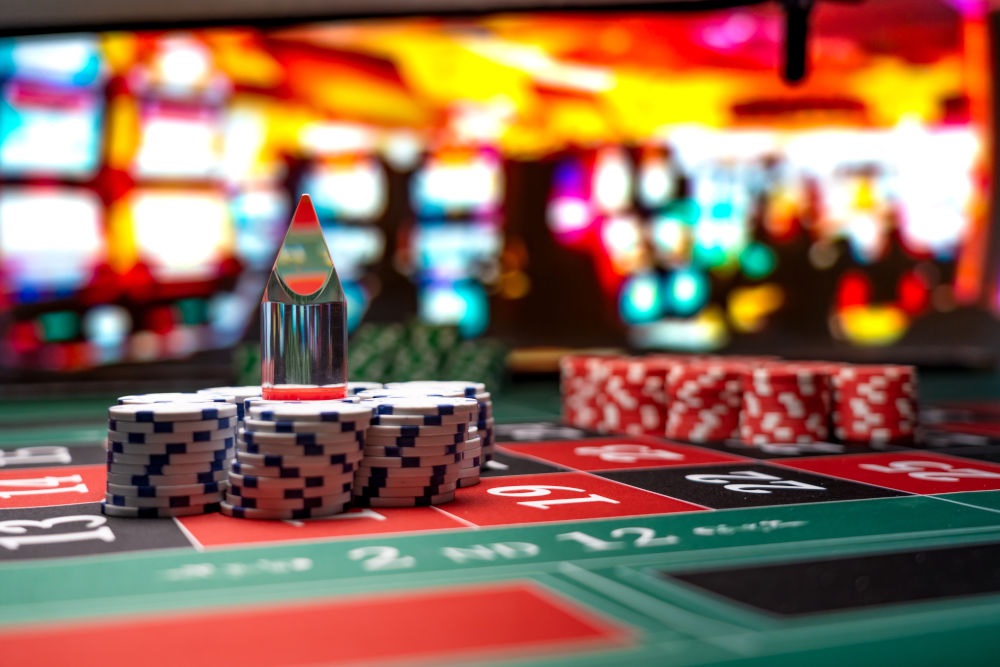
Furthermore, the social aspects of winning can amplify these emotional responses. Celebrating a win with fellow gamblers creates a sense of community, enhancing the overall excitement of the experience. The social validation that comes from winning can serve as a powerful motivator to gamble more, as players seek affirmation for their skills or fortunes in front of their peers. Conversely, losing can lead to isolation or embarrassment, prompting players to retreat into gambling as a coping mechanism. This dynamic complicates the relationship between emotion and gambling, leading to a cycle that can be difficult to break.
The psychological impact of gambling extends beyond the immediate thrill. For many, it becomes a form of escapism from daily pressures, allowing them to experience a wide range of emotions in a condensed time frame. However, this temporary relief can lead to greater issues, including addiction and financial instability. Recognizing the depth of these emotional elements is essential for understanding the broader implications of gambling behavior within society, as individuals navigate the complex interplay between risk, reward, and emotional fulfillment.
Your Trusted Resource for Gambling Insights
As you explore the multifaceted psychology of gambling in casinos, it is essential to access reliable information and resources. Our website strives to provide in-depth insights and articles on various aspects of gambling, helping you understand not only the allure of the experience but also the underlying psychological mechanisms at play. Whether you’re a casual player or someone interested in the psychological impacts of gambling, we offer a wealth of knowledge to guide you in your journey and facilitate informed decision-making.
We cover various topics, including responsible gambling, the science of behavioral economics, and the emotional aspects of risk-taking. By delving into these subjects, we aim to foster a better understanding of what drives individuals to engage with casinos and how to approach gambling in a mindful way. Our resources are designed to empower individuals with knowledge and tools for a more informed experience, ensuring that players can enjoy the thrill of gambling while remaining aware of its psychological implications.
By staying informed and aware of the psychological triggers that influence gambling behavior, players can make thoughtful decisions and navigate the complex world of casinos more effectively. Join us as we continue to explore the many dimensions of gambling and its impact on society, ensuring you are well-equipped to engage in this captivating domain responsibly. Our commitment to providing valuable insights will help you understand the intricate relationship between psychology and gambling, ultimately enhancing your awareness and enjoyment of the experience.
